Handling
Reconstitution Basics for Laboratory Use
ALTR Research Team · July 20, 2026 · 4 min read
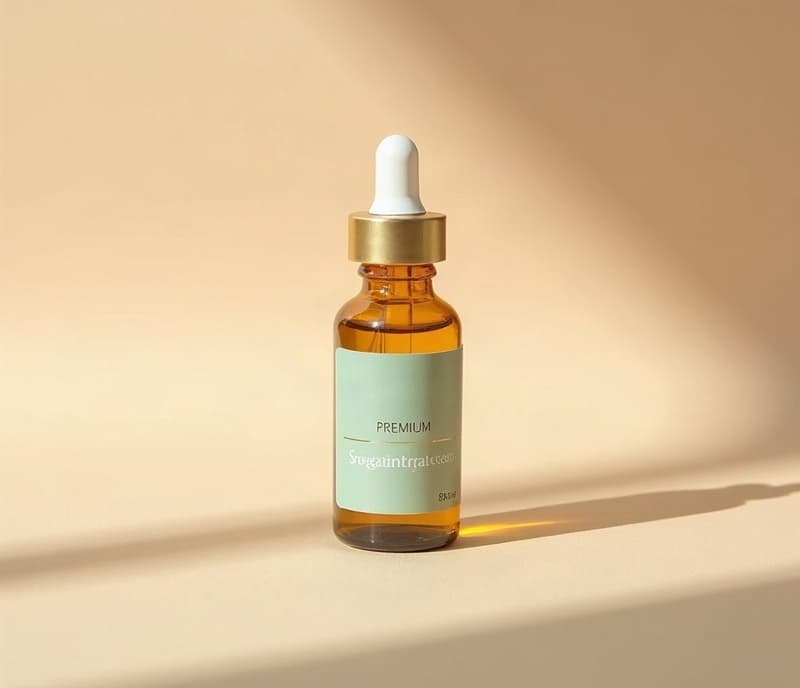
Reconstitution — converting a lyophilized (freeze-dried) peptide back into solution — is procedurally simple, but a few details determine whether the result is usable or compromised.
Diluent choice
Bacteriostatic water or sterile water appropriate for laboratory use is standard. The diluent should be added slowly, along the interior wall of the vial rather than directly onto the lyophilized material — a fast, direct stream can shear peptide bonds and reduce the effective concentration of your solution.
Handling the vial
After adding diluent, let the vial sit rather than shaking it. Gentle swirling is fine once the material has partially dissolved; vigorous agitation introduces unnecessary mechanical stress. Full dissolution can take anywhere from a few minutes to longer depending on the compound and volume.
After reconstitution
Once in solution, a peptide is meaningfully less stable than in its lyophilized form and should be refrigerated at 2–8°C. Reconstituted solutions should be used within the window specified on that product's storage guidance — for most compounds, this is a matter of weeks, not months, and shorter if the vial has been exposed to light or temperature fluctuation.
None of this is complicated, but all of it is easy to get slightly wrong in a way that quietly degrades your sample rather than failing obviously. Treat reconstitution as a controlled step, not a formality.
Every batch we sell ships with independent, lot-specific testing.
Browse the current catalogue or look up a batch's Certificate of Analysis on the Lab Results page.