Standards
What 'Third-Party Verified' Actually Means
ALTR Research Team · June 30, 2026 · 5 min read
'Third-party verified' shows up on almost every research-compound listing you'll come across, and it means almost nothing on its own — there's no regulatory standard enforcing what counts. So it's worth being specific about what should actually be true.
No financial relationship with the result
A genuinely independent lab has no stake in whether a batch passes. It isn't owned by, invested in, or paid on a pass-contingent basis by the seller. The test result should be identical whether it's good news for the seller or bad.
Named, and checkable
If a lab is doing legitimate independent work, there's usually no reason to hide its identity. Vague references to 'an accredited lab' without naming one are a weaker signal than a named lab whose credentials you could look up yourself.
Batch-specific, not product-line-specific
Verification of 'the product' in general, run once and reused across every future batch, is a different and much weaker claim than verification of the specific lot in the vial you're holding. Batch-level testing is more expensive and slower to produce — which is part of why it's a meaningful signal when a seller does it consistently.
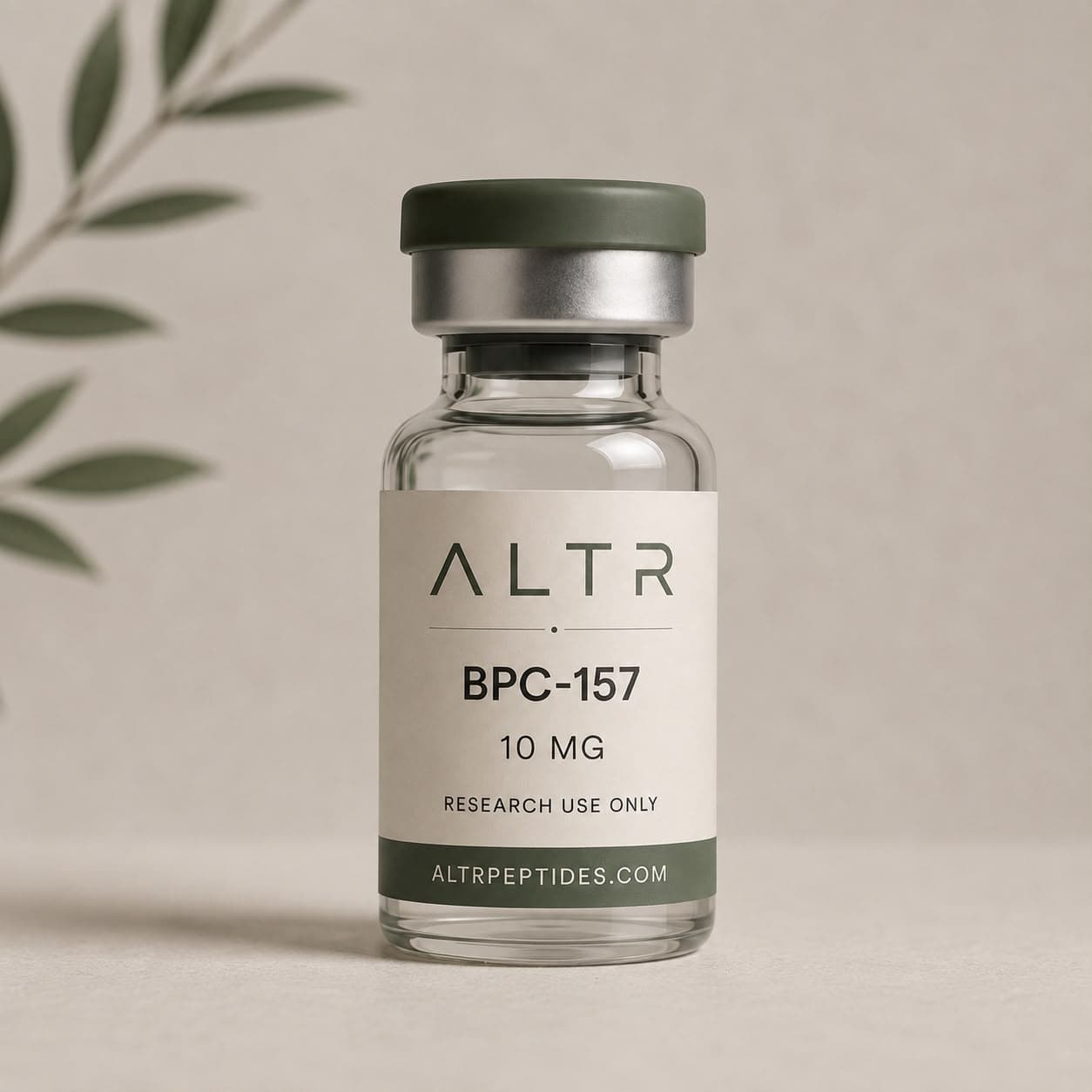
This is the standard we hold every ALTR batch to: independently tested, by a named lab, per lot, with the resulting CoA published rather than available on request. If any part of that isn't true for a given batch, it isn't listed for sale.
Every batch we sell ships with independent, lot-specific testing.
Browse the current catalogue or look up a batch's Certificate of Analysis on the Lab Results page.